
Purpose
Contribute to the upskilling of disconnected individuals for the Future of Work.

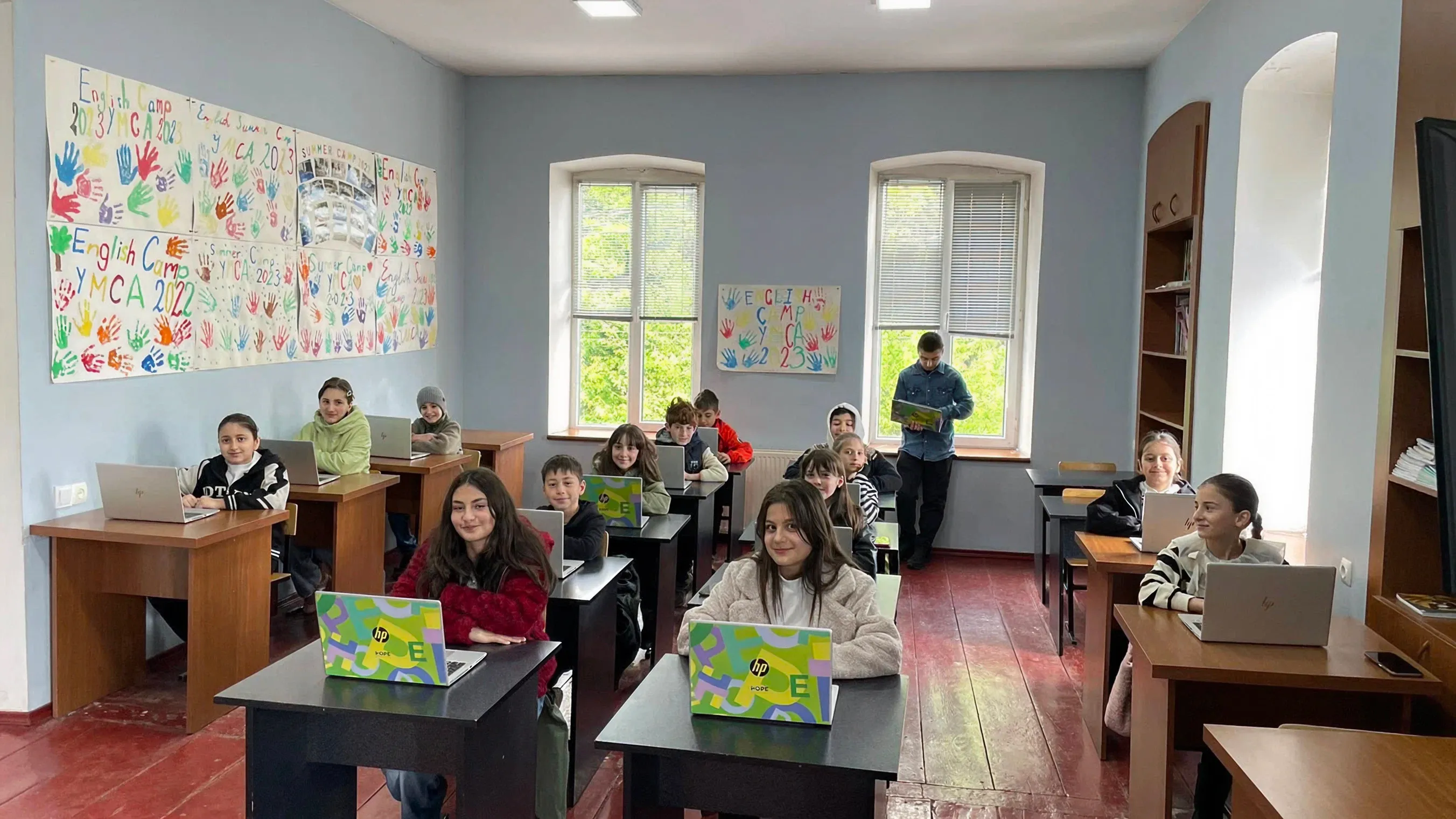
From urgency to long-term impact, HP HOPE was born at the height of the COVID-19 pandemic, when the digital divide became more visible — and more urgent — than ever. As schools shut down and entire communities moved online, thousands of students around the world were left behind simply because they lacked access to a computer. What started as an emergency response quickly became a mission. HP teams across regions came together with a shared belief that we could give a second life to HP devices — and a first opportunity to those who needed them most. Initially focused on children and education programs, the project mobilized internal HP teams, partners, and customers to put unused devices back into the hands of students, helping them reconnect with their classrooms and their future. Since then, HP HOPE has evolved into a global program, woven into the fabric of our circular economy and sustainability strategy.
The program has gained remarkable traction both internally — across HP teams and leadership — and externally, resonating deeply in the communities and markets where we operate. Today, HP HOPE goes beyond education. We are equipping disconnected communities with refurbished devices and the digital and AI skills needed to accelerate workforce readiness and community economic development globally. By doing so, we drive the circular economy, promote societal impact through technology-enabled community building, and reduce environmental impacts. Our customers are also becoming part of this journey — donating their PCs at the end of their initial use to extend their impact, reduce e-waste, and create shared value with purpose. From a crisis-driven idea to a long-term vision for digital advancement, sustainability and the Future of Work, HP HOPE is proving that technology can be a bridge — not a barrier.
Contribute to the upskilling of disconnected individuals for the Future of Work.

Give a second-life to eligible PCs for disposition through donations to non-profit and educational institutions.

Benefit 2,000,000 individuals and achieve 2,000 Tons of CO2 emissions avoidance by year 2030.


